


Water intrusion can quickly turn into a serious property problem. What begins as a small leak from a pipe, roof, or appliance can spread through drywall, flooring, insulation, and framing. When moisture remains trapped, mold often follows. The repair costs can escalate fast, leaving homeowners wondering one critical question: how much does insurance need to pay me for mold and water damage?
Insurance companies evaluate these claims based on several factors including the cause of the damage, the scope of the repairs, and the specific language inside the policy. Some homeowners are surprised to discover that the amount paid by insurance can vary significantly depending on how the claim is documented and negotiated.
Understanding how much does insurance need to pay me for mold and water damage can help homeowners protect their rights and avoid settling for less than what the repairs actually require.
Understanding Mold and Water Damage Insurance Coverage
Most homeowner insurance policies are designed to cover sudden and accidental water damage. When water enters a home unexpectedly and causes damage, insurance typically pays for repairs related to the incident.
Examples often include:
- Burst plumbing pipes – Hire a Local Licensed plumber
- Water heater failures
- Appliance leaks from washing machines or dishwashers
- Roof leaks caused by storms
- HVAC system leaks
- Overflowing sinks or bathtubs
When water damage occurs, mold can begin forming within 24 to 48 hours if the moisture is not removed quickly. Insurance coverage may include mold remediation if the mold resulted directly from a covered water event.
However, policies often place specific limits on mold coverage, which can impact how much compensation a homeowner receives.
What Insurance Usually Pays for in Mold and Water Damage Claims
When evaluating a claim, insurance companies typically look at the full scope of damage created by the water event. This may include structural damage, personal belongings, and remediation costs.
A properly documented claim may cover:
Structural Repairs
Water can damage multiple parts of the home’s structure. Insurance may pay for repairs to:
- Drywall and insulation
- Flooring such as hardwood, tile, or carpet
- Baseboards and trim
- Cabinets and built-ins
- Electrical systems affected by water
These repairs are often one of the largest portions of a claim.
Mold Remediation
Professional mold removal is sometimes necessary to make the home safe again. Mold remediation may involve:
- Containment of affected areas
- Air filtration systems
- Removal of contaminated materials
- Specialized cleaning and antimicrobial treatments
Depending on the policy, mold coverage may be capped at certain limits such as $5,000, $10,000, or higher.
Personal Property Replacement
Water damage frequently destroys furniture, clothing, electronics, and household items. Insurance policies often compensate for these losses based on replacement cost or actual cash value.
Water Mitigation Services
Emergency restoration services are commonly needed after water damage. These services include:
- Water extraction
- Industrial drying equipment
- Dehumidification
- Moisture monitoring
These mitigation services are often necessary to prevent further damage and mold growth.
Factors That Affect How Much Insurance Pays
Several variables influence the amount of money an insurance company ultimately pays on a claim.
Cause of the Water Damage
Coverage usually depends on whether the damage was sudden and accidental. Slow leaks or long-term moisture issues may be disputed by insurers.
Policy Limits
Every insurance policy contains maximum payout limits for different types of damage. Mold coverage often has separate sub-limits that restrict payouts.
Deductible Amount
The homeowner’s deductible must be paid before insurance contributes to the repair costs.
Documentation and Evidence
The more detailed the documentation, the stronger the claim. Photographs, contractor estimates, and professional inspections all help demonstrate the extent of damage.
These factors play a major role when determining how much does insurance need to pay me for mold and water damage.
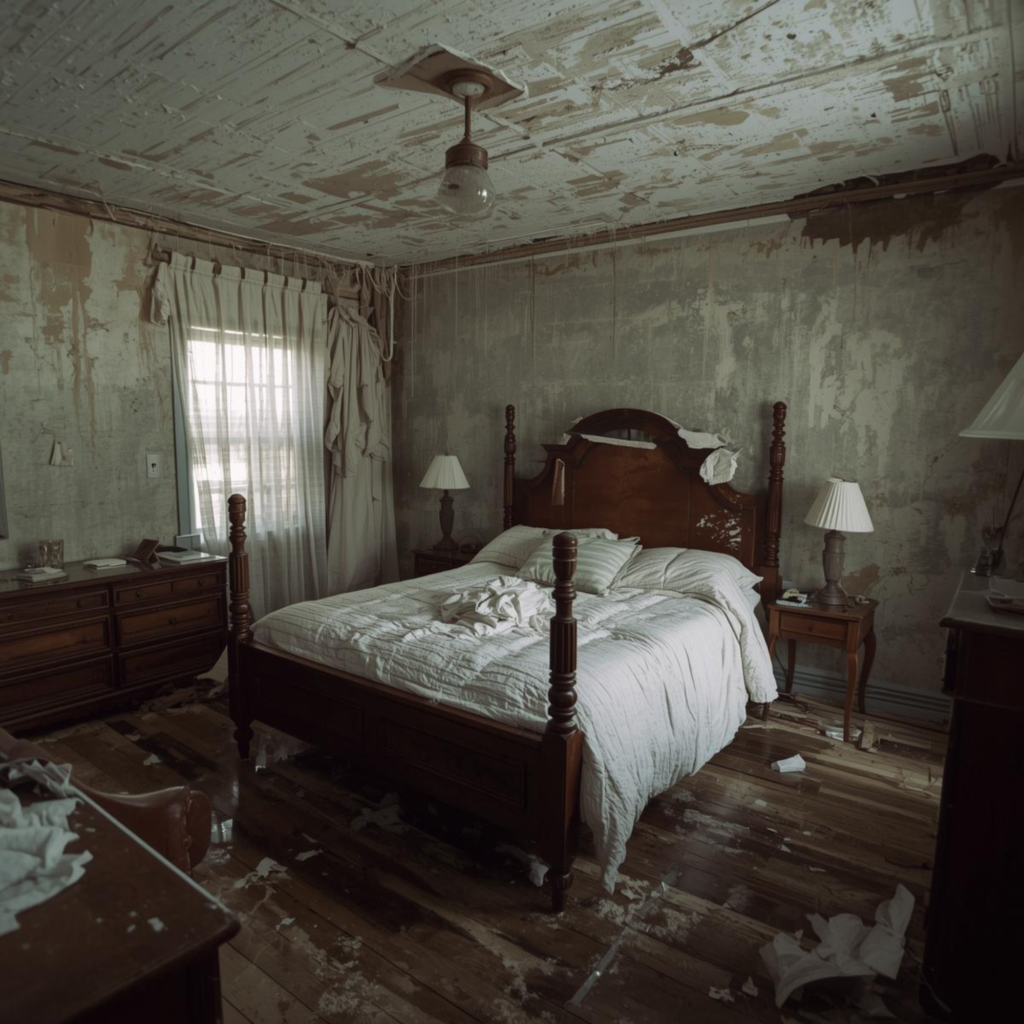
Why Many Mold and Water Damage Claims Are Underpaid
Many homeowners assume the insurance company will automatically calculate a fair settlement. In reality, insurance companies often rely on internal estimating systems that may not reflect the full cost of restoring the property.
Common claim issues include:
- Repair estimates that are too low
- Portions of damage being excluded
- Mold remediation limits being applied incorrectly
- Disputes about the cause of the water damage
- Delays in claim processing
Because of these challenges, homeowners frequently receive settlement offers that do not fully cover the actual cost of repairs.
Understanding how much does insurance need to pay me for mold and water damage requires careful evaluation of both the damage and the insurance policy.
How Public Adjusters Help Maximize Claim Payouts
Public adjusters work on behalf of homeowners rather than insurance companies. Their job is to evaluate the damage independently and advocate for a fair settlement.
We are as Keystone Adjusting Public Adjusters in Pennsylvania assist property owners by managing the claims process from start to finish.
A public adjuster may help by:
- Conducting detailed damage inspections
- Preparing professional loss documentation
- Reviewing insurance policy coverage
- Challenging low settlement offers
- Negotiating directly with the insurance company
With professional assistance, homeowners often gain a clearer understanding of how much does insurance need to pay me for mold and water damage and how to pursue the appropriate compensation.
The Real Cost of Mold and Water Damage Repairs
Repairing water damage is rarely simple. Even moderate water intrusion can affect multiple layers of a home’s structure.
Typical repair costs may include:
- Demolition of damaged materials
- Mold remediation services
- Drywall and insulation replacement
- Flooring replacement
- Electrical repairs
- Painting and finishing work
In severe cases, repairs can reach tens of thousands of dollars depending on how much of the property was affected.
Because mold spreads quickly, delays in addressing the issue can dramatically increase restoration costs.
Steps Homeowners Should Take After Water or Mold Damage
If water damage occurs, acting quickly can protect both the property and the insurance claim.
Recommended steps include:
- Stop the water source if possible
- Document all visible damage with photos and videos
- Contact your insurance company promptly
- Begin mitigation to prevent additional damage
- Keep records of repair estimates and restoration work
Taking these steps can strengthen a claim and help ensure proper compensation.
Frequently Asked Questions
Does insurance always cover mold damage?
Not always. Coverage depends on the cause of the mold. If mold develops because of a covered water event, it may be included in the claim.
How long does it take to settle a mold or water damage claim?
Claims may take several weeks or months depending on the complexity of the damage and the negotiation process.
Can insurance deny mold coverage?
Yes. If the insurer determines the mold resulted from long-term neglect or maintenance issues, coverage may be denied.
What if the insurance company offers too little?
Homeowners have the right to challenge low settlement offers. Additional inspections and documentation may support a higher payout.
Should I hire a public adjuster?
For significant damage, many homeowners choose to work with a public adjuster to ensure their claim reflects the full cost of repairs.
Protecting Your Property and Your Claim
Water damage and mold issues can create major disruptions for homeowners. Repair costs often exceed initial expectations, and insurance policies can be difficult to interpret.
Working with experienced professionals can help ensure that the damage is documented properly and that the claim reflects the true cost of restoring the property.
Contact Keystone Adjusting for Help With Your Claim
If your home has suffered mold or water damage and you are unsure whether the insurance company is offering a fair settlement, professional guidance can make a major difference.
Keystone Adjusting works directly for homeowners to evaluate damage, prepare claims, and negotiate with insurance companies.
If you are asking how much does insurance need to pay me for mold and water damage, the team at Keystone Adjusting can help you understand your policy and pursue the compensation you deserve.
Contact Keystone Adjusting today to discuss your claim and get the support you need to restore your property.




 535 NJ-38 #355K, Cherry Hill Township, NJ 08002 |