


When Should You Call a Public Adjuster? A Homeowner’s Complete Guide
Most homeowners don’t think about hiring a public adjuster until they’re already overwhelmed. A pipe bursts. A fire breaks out. A storm tears through your neighborhood. Suddenly, you’re dealing with repairs, temporary housing, and an insurance claim that feels confusing and time consuming.
The truth is, timing matters when it comes to calling a public adjuster. Calling too late can cost you money. Calling early can protect your claim from the start.
This guide explains exactly when you should call a public adjuster, why it matters, and how doing so can make a major difference in your insurance settlement.
What Does a Public Adjuster Actually Do?
A public adjuster works for you, not the insurance company. Their job is to manage, document, and negotiate your insurance claim so it reflects the full scope of your damage.
This includes:
- Inspecting and documenting all visible and hidden damage
- Interpreting your insurance policy
- Preparing a detailed claim estimate
- Communicating directly with the insurance company
- Negotiating for the maximum settlement allowed under your policy
At Keystone Adjusting, this process is designed to remove stress while protecting your financial interests.
When Should You Call a Public Adjuster?
1. Right After Property Damage Occurs
The best time to call a public adjuster is immediately after damage happens, once the property is safe.
Why early matters:
- Damage is easier to document before repairs begin
- Insurance companies often move fast to control the claim narrative
- Early documentation prevents missed or undervalued losses
Calling early helps ensure nothing is overlooked especially water intrusion, smoke damage, or structural issues that worsen over time.
2. Before You Speak at Length With Your Insurance Company
Many homeowners unknowingly hurt their own claims by giving recorded statements or accepting quick inspections without understanding their policy.
A public adjuster helps:
- Review what should (and shouldn’t) be said
- Ensure inspections are thorough
- Prevent early low valuations
You are not required to navigate this alone.
3. If Your Claim Is Large or Complex
You should strongly consider a public adjuster if:
- The damage affects multiple areas of the home
- Structural, electrical, or mold issues are involved
- Business interruption or loss of use applies
Large claims often involve multiple coverage categories that insurance companies don’t always explain unless asked.
4. After a Claim Is Denied or Underpaid
If your claim was denied or the payout seems low, it’s not the end of the road.
A public adjuster can:
- Reopen denied claims
- Supplement underpaid claims
- Identify missed line items and code upgrades
Many homeowners recover significantly more after professional review.
5. When Repairs Cost More Than the Insurance Estimate
Contractors often discover additional damage once work begins. If repair costs exceed your insurer’s estimate, a public adjuster can submit a supplemental claim with proper documentation.
This is common with:
- Water damage
- Fire and smoke damage
- Storm and roof claims
6. If You’re Short on Time or Overwhelmed
Insurance claims require follow ups, paperwork, inspections, and negotiations. If you’re juggling work, family, or temporary housing, a public adjuster takes the burden off your plate.
Your time has value.
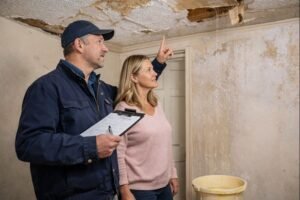
Common Situations Where a Public Adjuster Helps Most
- Fire and smoke damage
- Water damage and burst pipes
- Storm, wind, and roof damage
- Frozen pipe claims
- Mold related claims
- Theft and vandalism
- Commercial property losses
Keystone Adjusting handles both residential and commercial claims throughout Pennsylvania and New Jersey.
Why Homeowners Choose Keystone Adjusting
Keystone Adjusting focuses on accurate documentation, policy knowledge, and negotiation, not shortcuts.
Clients choose Keystone because:
- Claims are handled start to finish
- Every loss is carefully documented
- Communication stays clear and consistent
- Settlements reflect real repair costs
The goal is simple: make sure the claim is handled correctly the first time.
Frequently Asked Questions (FAQs)
When is it too late to call a public adjuster?
It’s rarely too late. Even closed or denied claims may be reopened, depending on timing and policy terms.
Does hiring a public adjuster slow down my claim?
In most cases, no. A properly prepared claim often moves faster because documentation is clear and complete.
Can I hire a public adjuster after my insurance inspection?
Yes. Many homeowners do so after realizing damage was missed or undervalued.
Do public adjusters work with contractors?
Yes. Public adjusters often coordinate with contractors to ensure repair estimates align with claim documentation.
Is a public adjuster worth it for smaller claims?
It depends. If the damage is minor and clearly covered, you may not need one. If there’s disagreement or complexity, it’s worth a consultation.
Final Thoughts: Call Sooner, Not Later
Waiting too long to call a public adjuster can limit your options. Calling early gives you protection, clarity, and leverage.
If you’re unsure whether you need help, a consultation can provide direction without commitment.
Call Keystone Adjusting today:
📞 (215) 642-5400
🌐 https://keystoneadjusting.com/
A consultation can help you understand your options before mistakes are made.




 1820 Chapel Avenue W Suite 300 Cherry Hill, NJ 08002